Accurate Tire Diagnosis After Damage Occurs
Tire Repair & Flat Tire Service in Plainwell
When you drive through Plainwell and notice a slow leak or uneven pressure, the cause is not always obvious from the outside. Lynch Tire and Service uses professional tire inspection tools to locate punctures, identify valve leaks, and check for tread damage that might lead to a blowout. Catching these problems early keeps you from being stranded on rural roads or dealing with a flat on US-131 during a cold morning commute.
The service involves a full inspection of the damaged tire, including the sidewall and inner liner. If the puncture is located in the tread area and meets safety standards, a repair is completed. If the damage extends into the sidewall or if the tread is too worn, you receive clear guidance on why replacement is the safer choice. This approach helps extend tire life when repairs are viable and prevents further risk when they are not.
If you have noticed a warning light, unusual vibration, or a slow pressure drop, contact Lynch Tire and Service to schedule a tire inspection in Plainwell.
Why Road Conditions in Michigan Require Timely Tire Attention
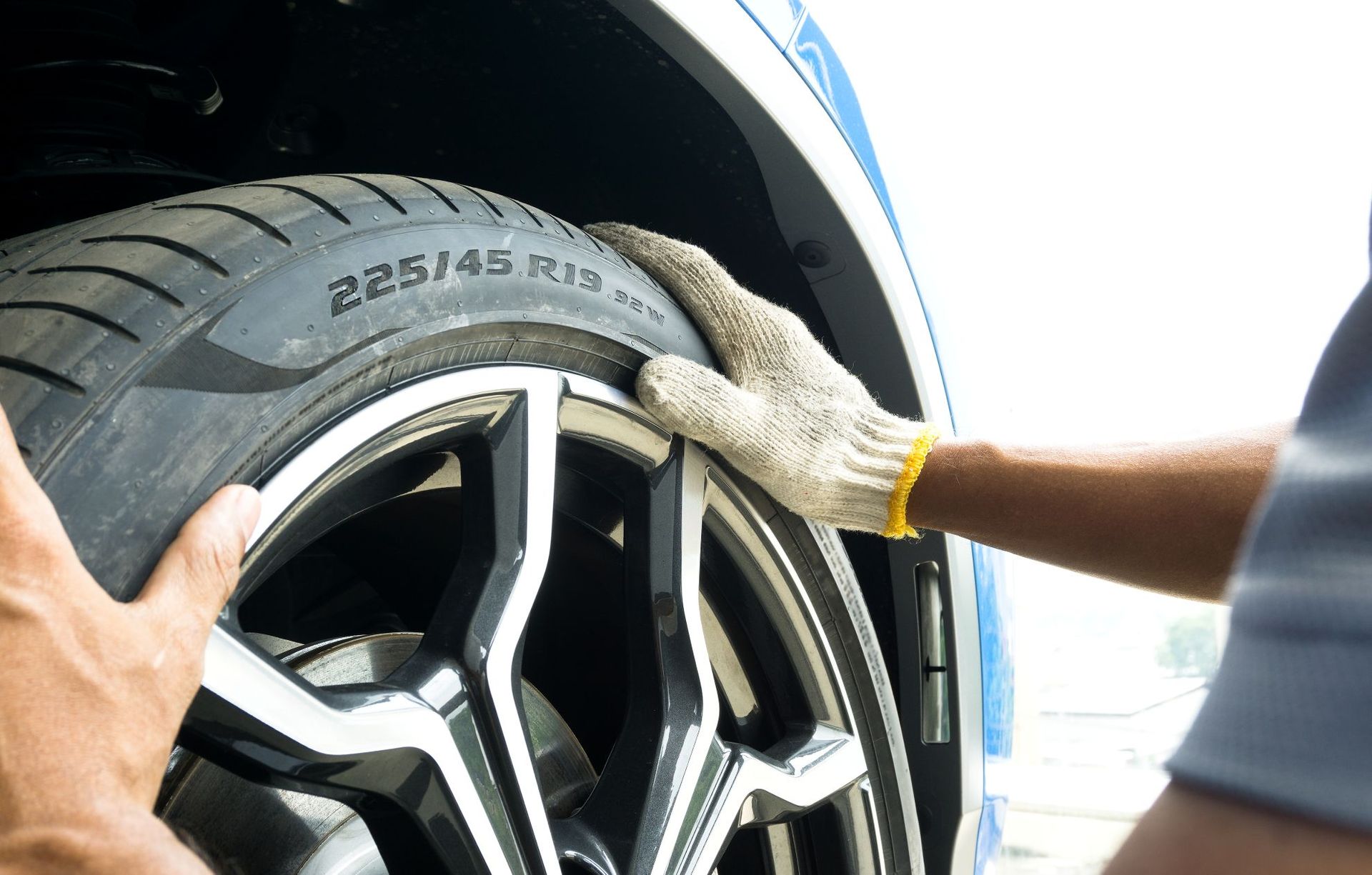
Drivers in Plainwell frequently deal with gravel shoulders, potholes, and debris left behind after winter plowing. These conditions create small punctures that leak air slowly over several days. The inspection process includes removing the tire from the rim, checking for embedded nails or glass, and testing the valve stem for leaks using soap solution and pressure gauges.
Once a tire is repaired, you will notice the pressure holds steady over time and the steering feels balanced again. The repair also prevents moisture from entering through the puncture, which can lead to internal corrosion and eventual failure during highway driving.
Repairs are completed using plug-patch systems that seal both the inner and outer layers of the tire. Sidewall damage, cracks from aging rubber, and bulges are not repairable and require full replacement. The service does not cover cosmetic scuffs or alignment issues, but those concerns can be addressed during the same visit if needed.
Questions That Come Up Before Bringing a Tire In
Many people are not sure whether their tire can be saved or how long a repair will last, and those are reasonable things to wonder before scheduling service.
Lynch Tire and Service works with drivers throughout Plainwell and the surrounding areas to provide tire repair that keeps vehicles running safely without unnecessary replacements. If your tire is losing air or you are not sure whether it can be fixed, reach out to schedule an inspection.